
CNC Prototyping Vietnam: Rapid FAI Samples in 3–5 Days
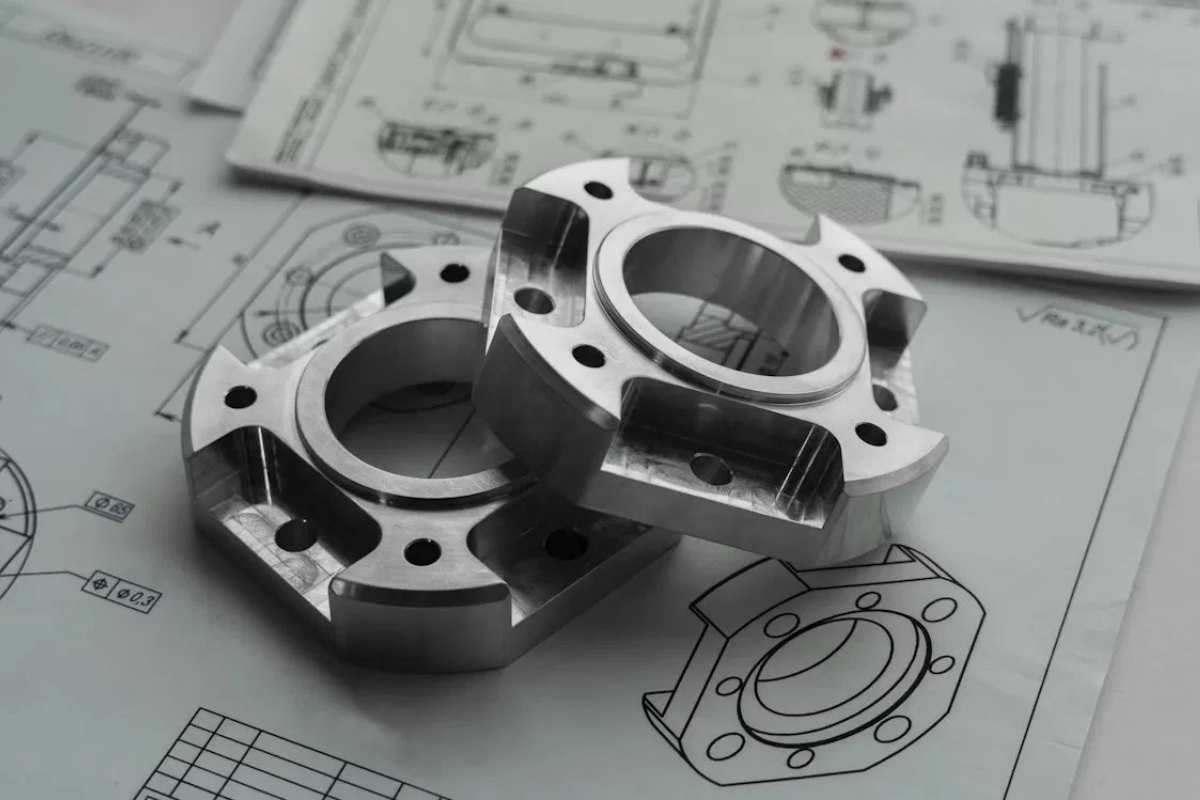
CNC prototyping at VNcontX runs on a single rule: no part ships without a passing CMM report. Submit a STEP file today — receive a first-article sample with full dimensional data within 3–5 business days. Tolerance holds at ±0.005mm on every run, prototype or production, no exceptions.
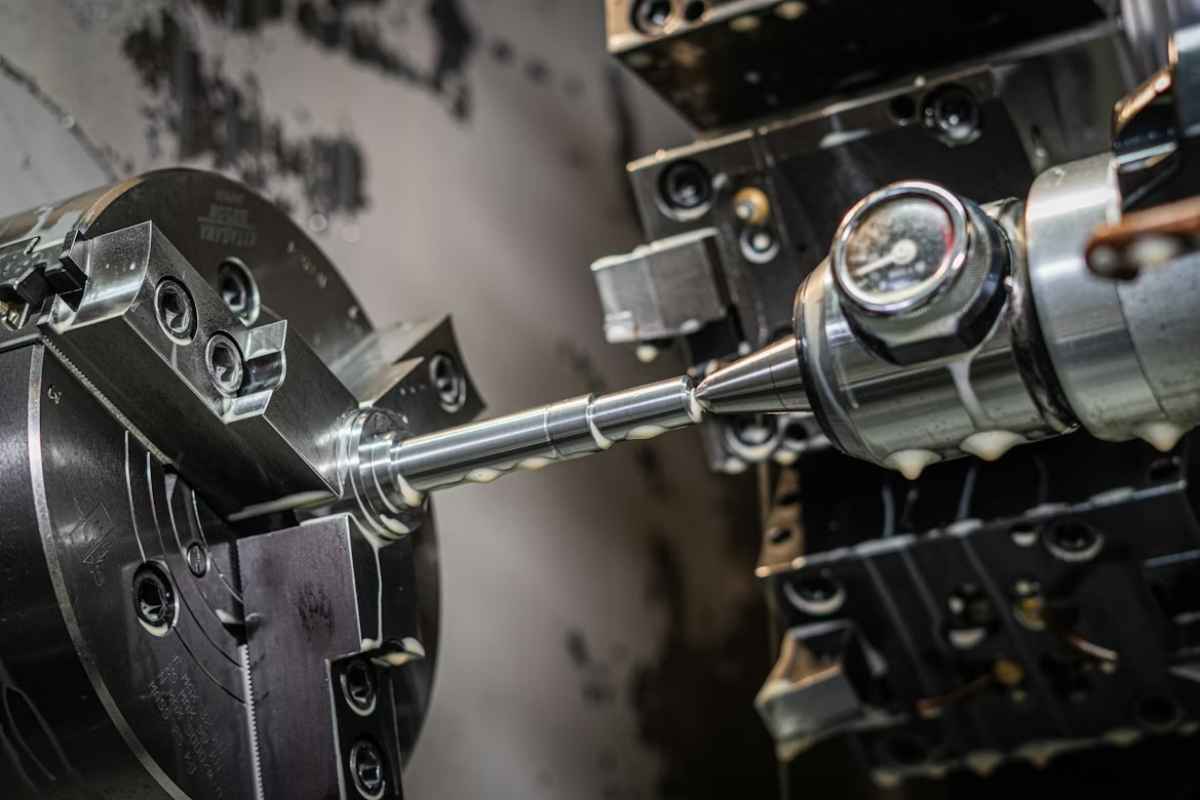
Most prototype orders stall at two points: waiting for a quote, and waiting for the part. Both are eliminated here. Every CNC prototype is machined in our own facility in Bình Chánh District, Ho Chi Minh City — on DMG Mori 5-axis machining centres and Mazak QT turning centres — inspected on a Zeiss Contura CMM, and shipped with dimensional data attached. No subcontractors. No file routing.
Why Prototype in Vietnam, Not China
Section 301 tariffs added 25–145% to the landed cost of Chinese-made parts in 2024–2025. For prototype runs — where unit cost is already high — that tariff load eliminates most of the cost advantage of offshore sourcing. Vietnam carries 0% Section 301 exposure.
Landed cost comparison on a typical aluminium prototype batch (10 pcs, 6061-T6, medium complexity):
Shipping from Ho Chi Minh City: Cat Lai Port and Tan Son Nhat Airport are both under 25 km from the factory. Air freight to the US West Coast runs 2–3 business days. Sea freight to the US West Coast: 18–22 days.
For EU buyers, the EVFTA agreement removes import duties on qualifying manufactured goods, adding further cost advantage over alternative offshore sources.
Prototype Capability & Specifications
- Machining 3-axis · 4-axis · 5-axis · Turning · Mill-turn
- Standard Tolerance ±0.005mm
- Precision Tolerance ±0.003mm
- Surface Finish Std Ra 0.8μm
- Surface Finish Fine Ra 0.4μm
- Inspection Zeiss Contura CMM + Mitutoyo
- Cpk Target ≥ 1.67
- FAI Sample Lead Time 3–5 business days
- Standard Lead Time 7–12 business days
- Certification ISO 9001:2015
Materials available for prototyping:
Aluminium — 6061-T6 · 7075-T6 · 5052
Steel — 1018 · 4140 · 4340 · A36
Stainless — 303 · 304 · 316 · 316L · 17-4 PH
Titanium — Grade 2 · Grade 5 (Ti-6Al-4V)
Brass — C360 · C260 · C464
Plastics — POM · PEEK · PC · ABS · PA6/PA66
Post-process finishing on prototypes:
Anodize Type II/III · Electroless Nickel · Passivation · Bead blast · Electropolish · Laser marking
Choosing the Right Material for Your CNC Prototype
Material choice at the prototype stage should mirror your intended production material where possible. Switching from aluminium to stainless steel between prototype and production run changes surface finish behaviour, thermal expansion, and fixturing requirements. The table below summarises the most common prototyping materials and their typical use cases in precision CNC machining.
Not sure which material fits your application? Talk to an Engineer →
From Prototype to Production — Same Factory
The critical failure point in most prototype-to-production transitions is supplier change. A prototype machined at one shop and then moved to a different production facility introduces new toolpath decisions, fixturing variations, and material lot differences. Tolerances that passed FAI at the prototype stage can drift in production.
At VNcontX, prototype and production runs share the same machines, the same tooling libraries, and the same inspection protocols. When your prototype passes FAI, the CNC machining parameters are locked — production begins on those exact settings. No re-qualification. No supplier handoff risk.
This matters most for tight-tolerance parts (±0.005mm and below), complex geometries requiring 5-axis positioning, and regulated industries where FAI documentation needs to trace through to production inspection records.
Prototype → Production Flow at VNcontX
Drawing Review + DFM
Engineering team reviews CAD file for machinability. DFM feedback returned within 4 business hours on standard enquiries.
Material Procurement & Setup
Material sourced from certified mill stock. Toolpath programmed on DMG Mori 5-axis or Mazak QT depending on geometry.
First Article Inspection (FAI)
100% dimensional check on Zeiss Contura CMM. Full inspection report issued — critical dimensions, surface finish, and GD&T callouts confirmed.
Customer Approval
CMM report and sample photos sent for sign-off. Production parameters locked at this stage — no re-qualification required for subsequent runs.
Production + Final Inspection
Production run on same machine, same fixtures, same tooling as FAI sample. In-process and final inspection before packing.
What Engineers Ask Before Sending a File
How do I know the prototype will match the production part?
Prototype and production run on the same machines with the same CAM programs. When FAI is approved, the program is locked — we do not rebuild toolpaths for production. The CMM report from FAI becomes the baseline for all subsequent in-process checks.
Can you hold ±0.005mm on a prototype order — or only on larger runs?
Yes. Tolerance capability is a function of machine and fixturing, not order size. ±0.005mm is our standard specification on DMG Mori 5-axis — it applies to single-piece prototype runs the same as 500-piece production orders. Cpk ≥ 1.67 is our process target on all orders.
What if the first article fails inspection?
We do not ship a part that fails CMM inspection. If the first article is out of specification, we re-machine before shipping. Rework is our cost — not yours. This is not a conditional guarantee; it is standard operating procedure covered by our ISO 9001:2015 quality system.
I’m in the US — is Vietnam actually faster than sourcing locally?
For complex 5-axis geometry requiring specific alloys, yes. US domestic shops often carry 2–4 week lead times on prototype work. Our 3–5 day machining window plus 2–3 day air freight to the US West Coast can put parts in your hands in under two weeks from the date of drawing approval — often faster than the domestic quote process alone. See our full US buyer overview →
CNC Prototyping — Frequently Asked Questions
Ready to Run a Prototype?
Send a STEP file and drawing. Engineering review in 4 business hours. FAI sample in 3–5 days.
Request a Technical Quote → Talk to an Engineer →