Overmolding & Insert Molding Vietnam
Overmolding bonds a second resin layer directly over a molded substrate — adding grip surfaces, IP67 seals, and soft-touch finishes without adhesives or secondary assembly steps. Insert injection molding encapsulates brass threaded inserts, stainless steel pins, and stamped contacts inside a single shot, eliminating post-mold heat-stake operations entirely.
Both processes run at our Bình Chánh District facility in Ho Chi Minh City. T1 first article in 15–25 working days. DFM report within 48 hours of confirmed drawing package. Section 301 tariff-free to the US.

Overmolding vs Insert Molding vs Two-Shot — Which Process Fits Your Part?
Three processes routinely grouped together. The engineering differences determine mold cost, tooling lead time, and minimum viable volume.
Overmolding Specifications & Proven Material Combinations
Resin selection is the first engineering decision. Overmold wall thickness, gate position relative to the bonding zone, and mold temperature delta between substrate and overmold cavities all control bond strength — these are fixed at DFM stage, not adjusted during trial.
Insert Injection Molding Specifications
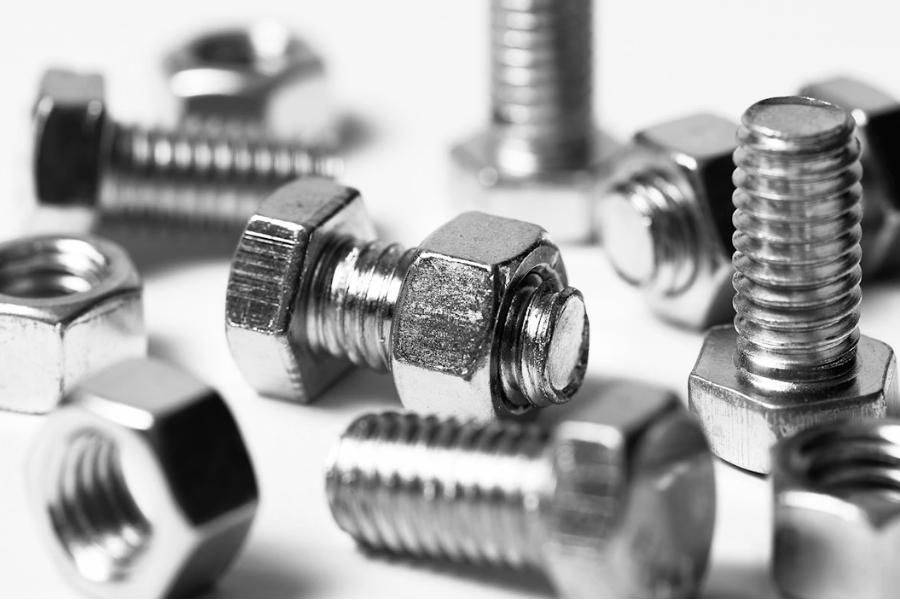
Insert placement is controlled by mold pin geometry, not operator skill. Each insert cavity uses a locating pin sized to H7/p6 fit against the insert bore. For volumes above 5,000 pcs a placement jig is fabricated. Insert location is measured 100% on FAI parts and sampled per AQL every production batch.
From File to First Article — 8 Steps
Overmolding and insert molding orders follow the same 10-step production sequence as single-shot molding, with DFM review at step 3 specific to bonding interface geometry and insert retention design.
- 01Order confirmed — NDA signed, tooling agreement, deposit schedule
- 02Drawing review — dimensional check, resin spec and insert type confirmed
- 03DFM reportOvermolding: bonding zone geometry, draft angle, wall thickness, gate position relative to bond area. Insert mold: insert wall clearance (min 1.5× insert OD), locating pin design, thermal mismatch callouts. Delivered within 48 hrs of PO.
- 04Material procurement — certified resin lot + material cert issued. Standard inserts pulled from stock; custom inserts sourced locally (3–5 days) or received from buyer with incoming inspection.
- 05Tooling fabrication — CNC + EDM in-house. P20/H13/S136 steel. Conformal cooling channels on overmold cavity.
- 06T1 first articleOvermolding: peel test result + Shore hardness measurement + cross-section photo of bond interface. Insert mold: 100% insert location check + pull-out strength test. CMM dimensional report issued before production approval.
- 07Production run — in-process: insert placement verified every 100 pcs. AQL 1.0 final sampling. CMM report on critical features per batch.
- 08Shipment — export docs, CO/Form D for tariff preference. Cat Lai Port or Tan Son Nhat Airport (<25km from facility). Air to LAX: 2–3 days. Sea West Coast USA: 18–22 days.
What Engineers Ask Before Placing a Mold Order
Will the overmold bond delaminate in the field?
Delamination has two root causes: material incompatibility or mold temperature control failure. We select resin pairs from validated compatibility data and hold substrate mold temperature 10–15°C above the overmold softening range to ensure diffusion bonding at the interface. If the part will see thermal cycling or UV exposure, declare it at DFM stage — resin selection changes. T1 FAI includes peel test results on every overmold order.
Is insert molding cheaper than post-mold heat-stake at volume?
Tooling cost is higher — mold design is more complex. Per-part cost at volume is lower: no secondary operation, no operator variable in placement force. Break-even sits around 5,000–8,000 pcs depending on insert count. For runs under 500 pcs, post-mold heat-stake is more economical. We model both options in the DFM report. See our prototype mold Vietnam page for low-volume tooling.
Can you mold FDA-compliant materials for medical components?
Yes. We run medical-grade resins with FDA 21 CFR compliance documentation — PC, ABS, TPU, PP, and LSR grades. Material certificates are included with every lot. For Class II device programs we can coordinate third-party biocompatibility testing. Specify device classification at RFQ stage. Full detail on our medical injection molding Vietnam page — overmolding TPU/PC grips for device housings is a common program type.
How is IP protected on mold designs?
NDA before any drawing is reviewed — no exceptions. Mold designs remain buyer property. CAD files stored on segregated servers, not shared with subcontractors. Molds registered under buyer name in our tooling log and returned or destroyed on written request. We do not run the same mold for a second buyer under any circumstance. Tooling ownership transfers to buyer on full payment — no volume minimums attached.
Overmolding & Insert Molding — Frequently Asked Questions
Send Your Overmolding or Insert Mold Drawing
STEP + 2D PDF. DFM report within 48 hours. No commitment required at this stage.
Section 301 tariff-free to the US. EVFTA-compliant for EU buyers.
← Back to Injection Molding Vietnam
Related: Plastic Injection Molding Vietnam | Prototype Mold Vietnam | Tooling & Die Making Vietnam | Medical Injection Molding Vietnam | Polycarbonate Injection Molding Vietnam Guide |
PC, Nylon & PEEK Injection Molding Guide