
Medical Injection Molding Guide: Resins, Tolerances & Documentation
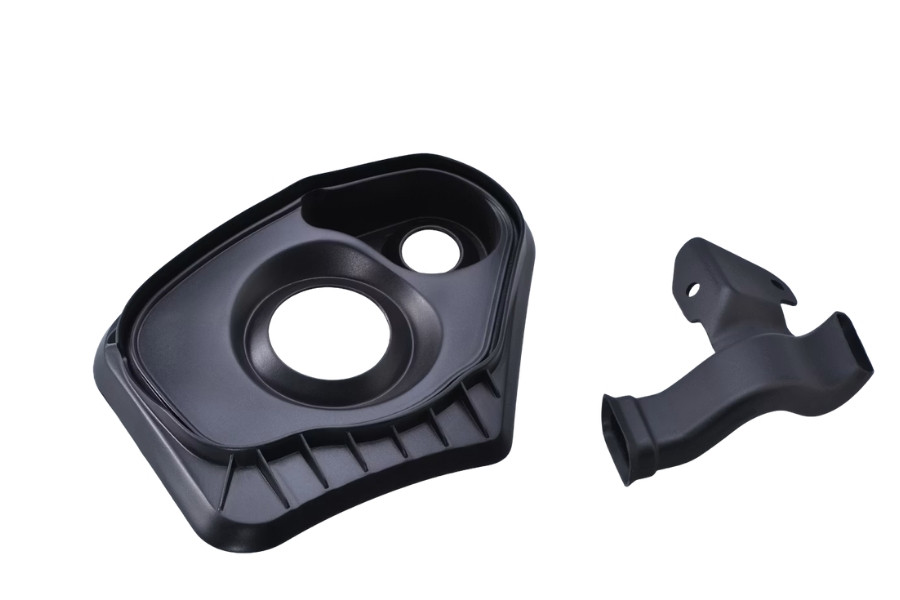
Medical injection molding runs the same thermoplastic process as standard injection molding — identical machinery, identical physics, identical tooling. What separates it from general-purpose molding is the documentation trail, resin qualification criteria, dimensional tolerance band, and supplier audit standard that device manufacturers must verify before any part enters a regulated product.
This guide covers the decisions that matter for device engineers and sourcing teams: which resins qualify and why, what tolerances are realistic per material, what documentation a regulatory affairs team needs before parts are released, and what questions to ask when selecting a medical injection molding company. If you’re evaluating medical injection molding in Vietnam, the same criteria apply — use this guide to audit any supplier, anywhere.
Resin Selection for Medical Plastic Parts
Resin selection in medical applications is driven by three factors that rarely appear together in general-purpose molding: biocompatibility screening, sterilization compatibility, and lot-to-lot traceability. A resin that performs mechanically may still fail if it doesn’t come with a supplier material certificate and an ISO 10993 screening reference.
The table below summarises the resins most commonly specified for Class I and Class II device plastic components, with the primary application driver for each.
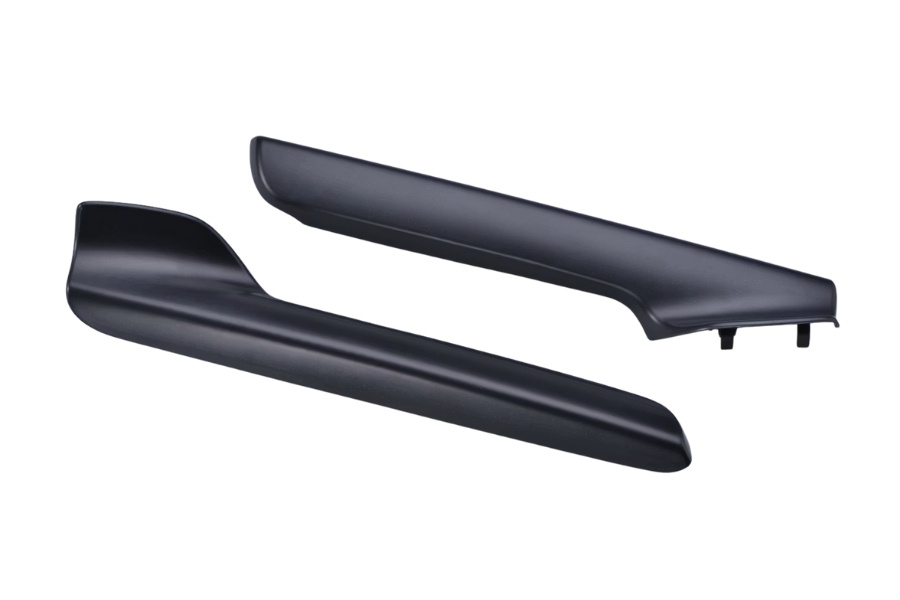
Medical-grade resins are not a separate product category — they are the same base polymer with a material certificate and lot traceability document from the compounder. Always request CoC with each resin lot. “Off-the-shelf” or commodity resin without documentation is not acceptable for any regulated device component, even for verification builds.
Tolerance Requirements in Medical Injection Molding
Tolerance requirements for medical plastic parts are tighter than general commercial molding but rarely approach the extremes of CNC machined implants. Most Class I and Class II device components fall within ±0.05mm to ±0.1mm for non-critical features, with critical-fit dimensions (luer taper interfaces, snap-fit deflection zones, sensor seating surfaces) requiring ±0.02mm or better.
For a detailed breakdown of what’s achievable per material and feature type, see our standard injection molding tolerances guide. Below is a practical summary for medical part design.
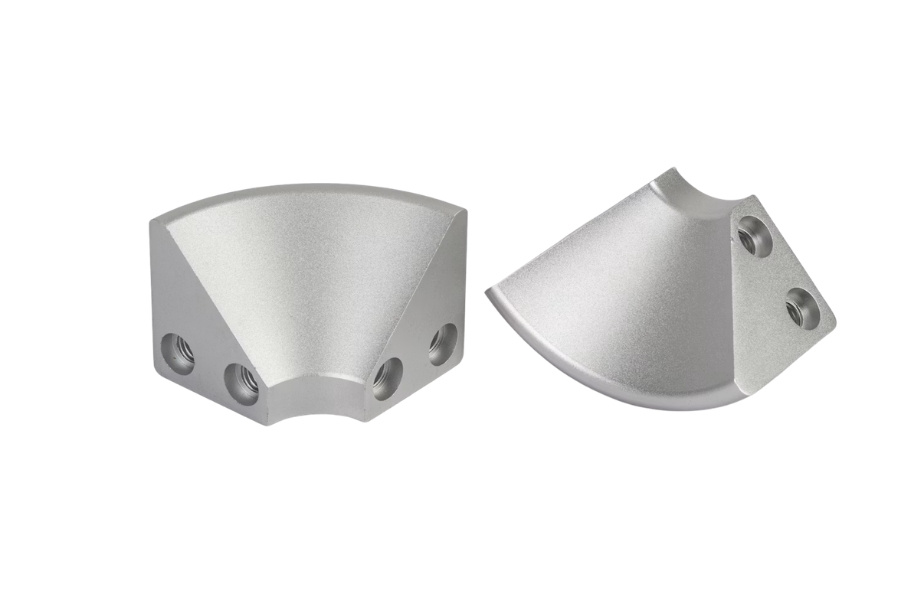
- General dimensions: ±0.05–0.10mm
- Critical-fit features: ±0.02–0.03mm
- Wall thickness (thin-wall): ±0.05mm
- Hole diameter (slip/locational fit): ±0.02mm
- Flatness (large panel): 0.1mm/100mm reference
- Weld line zones: relaxed spec required
- Resin shrink rate variation (semi-crystalline vs amorphous)
- Mold temperature uniformity — ±2°C cavity-to-cavity target
- Gate location relative to critical feature
- Wall thickness transitions driving sink/warp
- Ejection force on thin-wall features
- Cavity pressure consistency (Cpk ≥ 1.67 requirement)
Cpk ≥ 1.67 on critical dimensions is a common requirement in medical device supply chain agreements. This means 99.9997% of parts must fall within specification. Achieving and documenting this requires SPC-monitored production runs, not just a sample inspection at shipment. Ask any prospective supplier whether Cpk is measured during production or estimated from a sample run — the answer tells you a great deal about their process maturity.
Documentation: What You Need Before Parts Ship
Regulatory affairs teams cannot release parts into production or design verification testing without a complete documentation package. The most common sourcing failure in medical device manufacturing is not dimensional — it’s a part that passes dimensional inspection but ships without the paperwork to prove it. Below is the minimum documentation set for any medical plastic injection molded component.
-
01Material Certificate of Conformance (CoC)Resin supplier name, grade designation, lot number, and confirmation of compliance to specified standard (e.g., ISO 10993 screening data reference). Must accompany each production lot — not a one-time document.
-
02First Article Inspection (FAI) ReportFull dimensional inspection against the drawing on the first article from each new or modified mold. Includes all nominal dimensions, tolerances, actual measured values, and pass/fail status. Required on every new order run, not just first tooling.
-
03CMM Dimensional ReportMachine-generated coordinate measurement data from CMM (Zeiss Contura, Mitutoyo, or equivalent). Required for critical features — not a manual caliper check. Report format must be archivable for device file records.
-
04Process Record / Injection Parameter LogShot weight, cycle time, barrel temperatures, injection pressure, hold time, cavity pressure (if sensor-equipped), and operator ID. Ties part batch to production conditions for traceability and deviation investigation.
-
05Visual Inspection RecordAQL-based visual inspection result (typically AQL 1.0 or 0.65 for medical parts). Criteria: flash, sink marks, short shots, surface blemishes, parting line condition. Signed off by QC inspector, not production operator.
-
06Packing & Lot Traceability LabelPart number, revision level, quantity, lot/batch number, manufacturing date, and facility identifier. Enables field recall traceability if a device-level issue arises post-shipment.
ISO 9001:2015 is a quality management standard for general manufacturing. ISO 13485 is the standard specifically for medical device manufacturing — it adds design control, risk management, post-market surveillance requirements, and more stringent change control. If your device submission or FDA audit requires ISO 13485-certified manufacturing, confirm this with any supplier before tooling. A supplier who holds ISO 9001 but not ISO 13485 may still be appropriate for non-sterile Class I components, but not for Class II submissions that specify ISO 13485 in the supply chain documentation.
Mold Design Considerations for Medical Components
Medical part geometry often includes thin walls, undercuts for snap-fit assembly, and fine surface finish requirements for optical or contact surfaces. These requirements translate directly into mold design decisions that affect T1 delivery time and tool life.
Tool Steel Selection
- H13: Standard for production molds. Good thermal fatigue resistance. 300K–1M shot life.
- S136: Stainless tool steel. Corrosion-resistant for aggressive resins (PVC, PP with additives). Required for humid storage environments.
- P20: Pre-hardened, lower cost. Suitable for prototype or low-volume medical tools (under 100K shots).
- NAK80: Pre-hardened, excellent polishability. Used where optical-grade surface finish (SPI A1–A2) is required.
Design Features That Add Cost
- Side actions (lifters/sliders) for undercut features — adds 15–30% to tool cost
- Thin cores (wall ratio > 150:1) — increases machining time and risk of deflection
- Mirror polish (SPI A1) — adds 3–5 days EDM + polishing time
- Hot runner systems — justified at > 50K annual volume; adds $3K–$8K to tooling
- Multi-cavity (2–8 cavity) — reduces per-part cost but requires balanced fill analysis
For teams at the design validation stage who need parts before committing to a production mold, prototype injection molding using soft tooling (P20 or aluminum inserts) runs the same documentation process as production — same FAI, same CMM report, same material traceability. The bridge from prototype to production mold requires no documentation gap if both are run at the same facility.
How to Qualify a Medical Injection Molder
Supplier qualification for medical device manufacturing follows a risk-based approach. The depth of audit required depends on the device classification, the component’s function, and whether the supplier is a sole-source. The questions below are a practical starting point — they separate suppliers who understand the regulatory environment from those who simply say yes to everything.
- QMS certification: ISO 9001:2015 minimum. ISO 13485 if required by device classification or notified body. Request current certificate, not a photocopy from 2021.
- FAI process: Is FAI conducted on every new order run, or only on initial tooling? Confirm in writing.
- CMM equipment: Brand, model, calibration certificate date. Ask what percentage of orders receive CMM inspection vs. manual gauge.
- Resin sourcing: Can the supplier provide resin CoC with lot number for each production batch? Can they source from a specific compounder if your device file specifies one?
- Cpk documentation: Can they demonstrate Cpk ≥ 1.67 on critical dimensions from a recent production run? Ask for a sample SPC chart.
- Change control: What is the process if a tooling modification is required? Is there a formal ECO process? Will they notify you before making changes?
- Exclusivity/separation: Are medical parts processed on dedicated equipment, or on the same presses as non-medical industrial parts? For sterile-path components, this matters.
- Limitations disclosure: Does the supplier proactively tell you what they cannot do, or do they confirm capability on everything until T1 delivery?
Common Questions
Sourcing Medical Plastic Parts from Vietnam
Vietnam’s position in medical device supply chains has grown since 2020. The combination of Section 301 tariff exposure on Chinese-manufactured components (25–145% additional duty) and Vietnam’s 0% tariff status for US imports has made the cost argument straightforward for sourcing teams. A 30–40% reduction in landed cost on medical plastic housing components is achievable when tooling is placed in Vietnam versus China on a like-for-like quality specification.
Air freight from Ho Chi Minh City to LAX runs 2–3 days. Sea freight to US West Coast ports is 18–22 days. For medical device manufacturers managing JIT inventory, air freight on small-batch replenishment orders is cost-effective given the per-part savings on manufacturing cost.
For a full breakdown of capabilities, resins stocked, documentation standard, and mold specifications at our Bình Chánh District facility, see our medical injection molding Vietnam service page. DFM feedback and quote within 2 business days of drawing submission.
Request a Technical Quote
Submit your drawings for DFM review and a tooling + per-part quote.
Response in 2 business days. All submissions treated as confidential.
